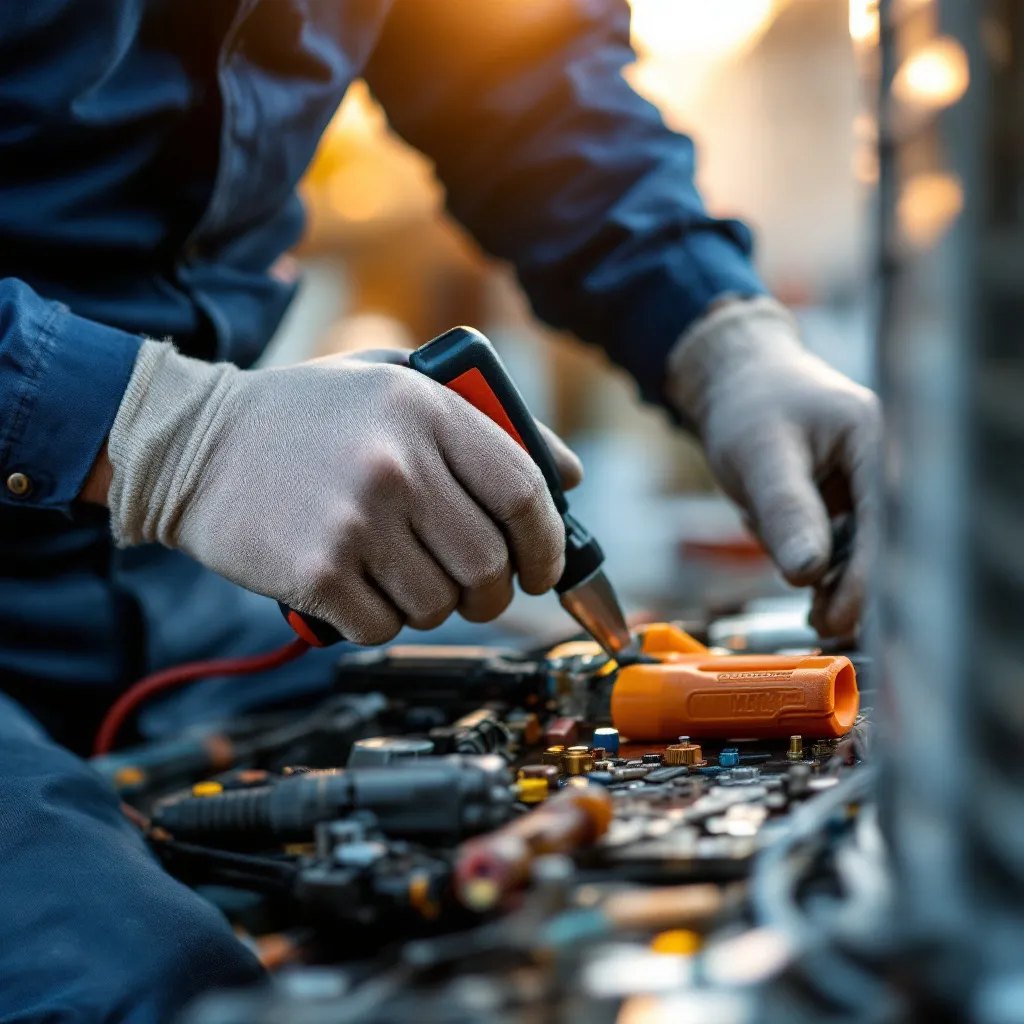
When you invest in HVAC repair for your Boise home, understanding warranty and guarantee coverage protects both your comfort and your budget. Professional repair work typically includes multiple layers of protection: contractor workmanship guarantees covering the quality of installation and labor, manufacturer warranties on replacement parts and equipment, and sometimes extended service agreements. The specific terms vary significantly between HVAC companies and the components being serviced. Reputable contractors clearly explain what happens if a repaired system fails again, which expenses you'll face if additional problems emerge, and how long you're protected after technicians complete the work. Knowing these details before authorizing repairs helps you make informed decisions and sets realistic expectations for your heating and air conditioning investment.
Quality HVAC companies in Boise typically provide a workmanship guarantee covering their technicians' labor for a minimum of one year following repair completion. This guarantee ensures that if the specific problem addressed during the service call returns due to improper diagnosis, faulty installation of components, or technical errors during the repair process, the contractor will return to correct the issue at no additional charge. The workmanship warranty specifically covers the repair itself rather than unrelated system failures that might develop later. For example, if a technician replaces a capacitor on your air conditioner and that same capacitor fails within the guarantee period due to improper installation, the labor to reinstall it correctly falls under this protection.
Beyond basic workmanship guarantees, some contractors offer satisfaction guarantees or service commitments that extend protection further. These might include promises to return within a specific timeframe if you experience continued problems, commitments to match competitor pricing, or assurances about technician professionalism and site cleanliness. When evaluating an HVAC company, ask specifically about their standard workmanship guarantee duration and what circumstances void that protection. Homeowners should request written documentation of all warranty terms before authorizing repair work, as verbal promises become difficult to enforce if disputes arise months after service completion.
The scope of workmanship guarantees matters as much as duration. A comprehensive guarantee covers not just the primary repair but also any adjustments needed to restore proper system operation afterward. If a technician repairs your furnace heat exchanger but the unit struggles to maintain temperature due to airflow issues created during the repair process, a strong workmanship guarantee obligates the contractor to resolve those secondary problems. Clear documentation prevents misunderstandings about whether new symptoms represent covered workmanship issues or separate mechanical failures requiring additional payment.
Parts and labor typically carry separate warranty coverage with different terms and responsible parties. Manufacturer warranties cover the physical components themselves, protecting against defects in materials or manufacturing for periods ranging from one year on basic parts to ten years or more on major components like compressors and heat exchangers. These manufacturer warranties generally require professional installation and may mandate registration within a specific timeframe after installation. The manufacturer replaces defective parts under warranty, but responsibility for labor costs to remove the failed component and install the replacement varies depending on the specific warranty terms and how long ago the original installation occurred.
Labor coverage for warranty part replacement represents a common point of confusion for homeowners. While the manufacturer provides the replacement part at no charge, you might still pay the HVAC company for technician time to diagnose the failure, remove the defective component, and install the new one. Some manufacturers offer limited labor reimbursement to contractors during an initial warranty period, typically the first year, but this reimbursement rarely covers the contractor's full labor costs. Progressive HVAC companies sometimes absorb these labor expenses as a customer service gesture, particularly for clients with maintenance agreements or established relationships, but this courtesy isn't universal or guaranteed.
The distinction becomes particularly important for major component failures. If your air conditioner compressor fails under a five-year manufacturer warranty, you receive the replacement compressor free, but labor to recover refrigerant, remove the old compressor, install the new unit, pressure test the system, and recharge with refrigerant can cost several hundred dollars. Understanding this separation helps homeowners budget appropriately and explains why warranty coverage doesn't always mean completely free repairs. Always ask your HVAC contractor to clarify both parts and labor coverage before proceeding with warranty claims to avoid surprise expenses.
Manufacturer warranties focus exclusively on product defects and component reliability, protecting you if the physical equipment fails due to manufacturing flaws or material deficiencies. These warranties come directly from companies that produce furnaces, air conditioning units, thermostats, and individual components, with terms established before your contractor ever touches the equipment. Manufacturer coverage typically extends longer than contractor guarantees, sometimes offering five to ten years on major components, but applies only to the parts themselves. The manufacturer determines whether a failure qualifies as a defect, and coverage often requires proof of proper installation and regular maintenance to remain valid.
Contractor guarantees, by contrast, protect the quality of the actual repair work and installation performed by the HVAC company's technicians. This workmanship guarantee addresses human error, improper techniques, or mistakes made during service rather than equipment defects. If a technician incorrectly sizes a replacement part, fails to properly secure connections, or overlooks a contributing problem during diagnosis, the contractor's guarantee obligates them to correct these errors. These guarantees typically run shorter than manufacturer warranties, often one to two years, but they cover the crucial period when installation-related problems most commonly surface. The contractor controls these terms and can extend or enhance them as a competitive differentiator.
The interaction between these two warranty types occasionally creates coverage gaps that catch homeowners off guard. A component might fail outside the contractor's workmanship guarantee period but before the manufacturer warranty expires, leaving you responsible for diagnostic fees and labor costs even though the part itself is free. Alternatively, a problem might stem from improper installation that damaged a component, potentially voiding manufacturer coverage while falling outside the contractor's guarantee period. Reputable HVAC companies help navigate these situations and often work with manufacturers to resolve ambiguous claims, but understanding the distinction helps you advocate for appropriate coverage when problems arise.
Before authorizing HVAC repair work in Boise, verify that the contractor provides clear, written warranty information as part of their standard estimate or service agreement. The documentation should specify exactly what workmanship guarantee applies, how long it lasts, what actions might void coverage, and the process for requesting warranty service if problems recur. Companies confident in their technicians' skills offer these details proactively, while vague or reluctant responses about warranty terms often signal potential service quality concerns. Ask specifically whether the guarantee covers return visits, additional parts needed to complete the original repair properly, and any diagnostic fees if the system fails again within the guarantee period.
Licensing and insurance status directly impacts warranty reliability, since guarantees from unlicensed contractors or companies without proper liability coverage offer little practical protection if they cease operations or refuse to honor commitments. Idaho requires HVAC contractors to maintain appropriate licensing, and Boise homeowners can verify credentials through state and local regulatory agencies. Insurance coverage protects you if repair work damages your property or creates safety hazards, ensuring resources exist to make you whole even if warranty disputes arise. Companies with established local presence and strong reputations have greater incentive to honor warranties than transient operators or contractors working outside proper licensing requirements.
The contractor's relationship with equipment manufacturers affects their ability to facilitate warranty claims and access replacement parts efficiently. Authorized dealers and factory-certified technicians often navigate manufacturer warranty processes more smoothly, understanding documentation requirements and maintaining direct communication channels with manufacturer representatives. These relationships can expedite parts delivery and increase the likelihood of favorable claim resolutions in ambiguous situations. Ask potential contractors about their certifications, manufacturer partnerships, and experience processing warranty claims for the specific brand of equipment in your home. Companies that primarily service equipment they also install typically offer more comprehensive support throughout the warranty period.
Regular maintenance agreements often enhance warranty protection beyond what comes standard with one-time repair services. Many HVAC companies extend their workmanship guarantees for maintenance plan members, sometimes doubling the coverage period or eliminating certain exclusions that apply to non-members. These enhanced guarantees reflect the reality that well-maintained systems experience fewer failures and allow technicians to identify potential problems before they cause breakdowns. The preventive maintenance visits included in these agreements also satisfy manufacturer warranty requirements for regular professional service, preserving your equipment warranty that might otherwise lapse due to maintenance neglect.
Maintenance plan members typically receive priority scheduling for warranty service calls and reduced or waived trip charges when problems occur. Since the HVAC company already has an ongoing relationship and service history for your system, diagnosing warranty-eligible issues becomes more straightforward, with documented evidence of previous conditions and repairs. This continuity helps distinguish new failures from pre-existing conditions and strengthens your position when determining whether problems fall under warranty coverage. The regular filter changes, system cleaning, and performance checks included in maintenance agreements also reduce the likelihood of warranty-voiding neglect, such as operating equipment with severely restricted airflow or allowing minor issues to escalate into major component damage.
Some manufacturers offer extended warranty programs exclusively through contractors who maintain ongoing service relationships with customers. These enhanced manufacturer warranties might extend coverage periods, reduce or eliminate labor charges for warranty repairs, or cover components that standard warranties exclude. Accessing these premium warranty options typically requires enrolling in a qualifying maintenance agreement and ensuring the contractor documents all preventive service visits properly. For Boise homeowners with aging HVAC systems approaching the end of standard warranty periods, maintenance agreements with warranty enhancements provide cost-effective protection against expensive repairs while extending equipment lifespan through proper care.
Contractors who refuse to provide warranty terms in writing before starting work raise immediate concerns about their commitment to standing behind their repairs. Verbal promises about lifetime guarantees or unconditional coverage often evaporate when you actually need warranty service, leaving no documentation to support your claim. Similarly, warranties with excessive exclusions or conditions that essentially eliminate coverage in most realistic failure scenarios offer little practical value. Be cautious of terms that void warranties for minor issues like missing a single maintenance appointment or that require you to purchase all future service exclusively from that contractor to maintain coverage.
Unusually long warranty periods sometimes indicate inflated pricing rather than superior confidence in work quality. While extended coverage sounds attractive, contractors factor warranty costs into their pricing, and companies offering dramatically longer guarantees than competitors often charge premium rates that exceed the actual value of extended protection. Evaluate the total cost of service including the warranty rather than focusing solely on coverage duration. A moderately priced repair with a standard one-year workmanship guarantee from a reputable, established company often provides better value than expensive work with a five-year guarantee from an unknown contractor who might not remain in business long enough to honor that commitment.
Pay attention to how contractors discuss manufacturer warranties versus their own guarantees. Companies that misrepresent manufacturer warranty terms, suggesting they offer more comprehensive coverage than actually exists, demonstrate either ignorance of warranty details or willingness to mislead customers. Ask for copies of actual manufacturer warranty documents for any parts being installed, and verify terms independently rather than relying solely on contractor representations. Reputable HVAC professionals clearly distinguish between what the manufacturer covers and what their workmanship guarantee protects, helping you understand the complete warranty picture rather than creating unrealistic expectations that lead to disappointment when you need coverage most.
Diamond Heating, Cooling, Plumbing & Electric provides 24/7 HVAC, plumbing, and electrical services in Boise, ID. For professional help anywhere in Boise, visit Diamond Heating, Cooling, Plumbing & Electric.
☎Call (208) 279-9193 Diamond Heating, Cooling, Plumbing & Electric