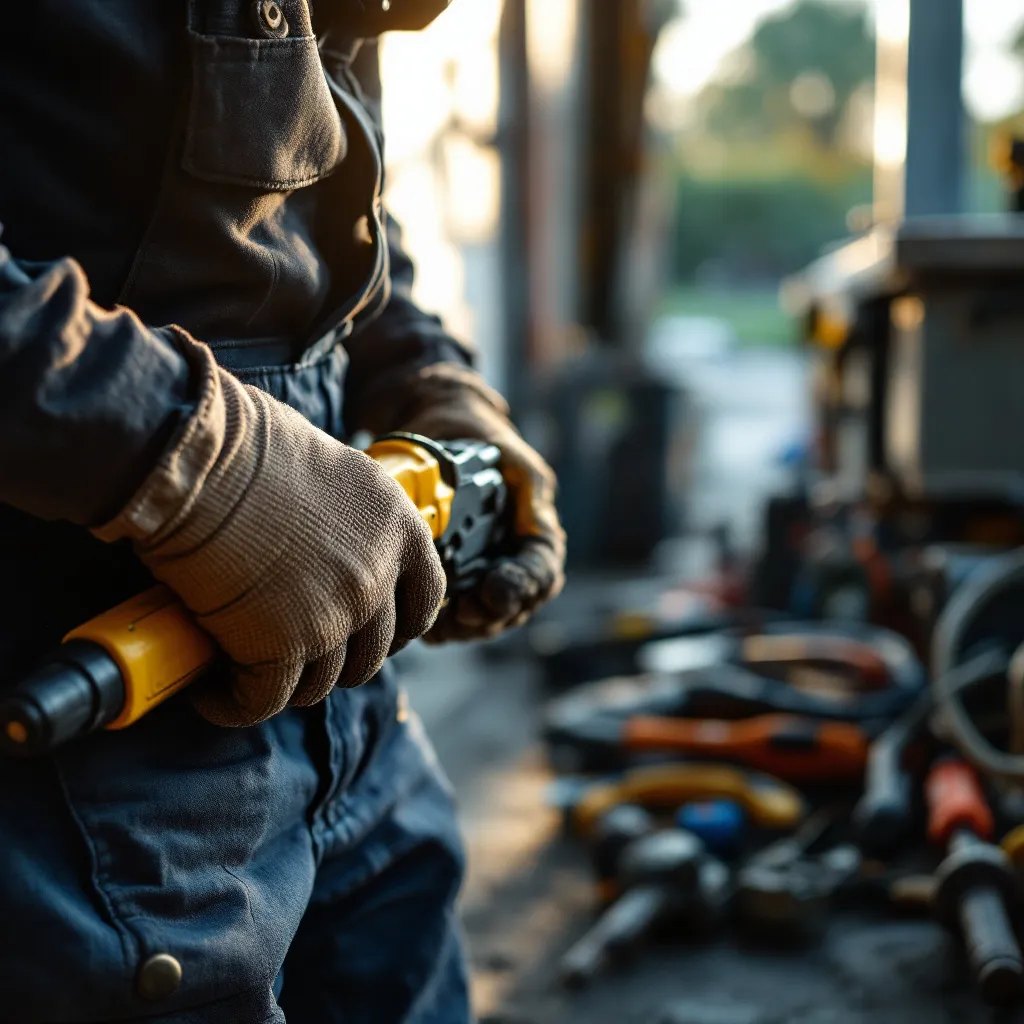
Furnace repair and air conditioner repair differ significantly in complexity, cost, and seasonal urgency, though both fall under the umbrella of HVAC services. In Boise, where winters bring freezing temperatures and summers can reach the nineties, homeowners rely on both systems throughout the year. Furnace repairs typically involve combustion components, gas lines, heat exchangers, and electrical ignition systems, while air conditioner repairs focus on refrigerant levels, compressor function, and cooling coils. The cost difference between these services depends largely on the specific component failure, with furnace heat exchanger replacements often exceeding AC compressor repairs in expense. Understanding these distinctions helps homeowners budget appropriately and recognize when professional intervention becomes necessary for either system.
Furnace repairs often carry higher price tags than air conditioner repairs when major components fail, primarily because furnaces involve more complex safety mechanisms and combustion processes. A cracked heat exchanger replacement can cost between two thousand and four thousand dollars, representing one of the most expensive HVAC repairs a homeowner might face. Gas valve replacements, blower motor failures, and control board issues also tend toward the higher end of repair costs. The expense reflects not only parts and labor but also the technical expertise required to work safely with natural gas systems and ensure proper ventilation to remove combustion byproducts.
Air conditioner repairs typically range from moderate to expensive depending on the failed component. Refrigerant recharges and capacitor replacements represent the lower end of AC repair costs, often completed for a few hundred dollars. Compressor replacements, however, can approach or exceed two thousand dollars, rivaling some furnace repairs in expense. Evaporator coil replacements and condenser unit repairs also represent significant investments. In Boise's climate, both systems receive substantial use, meaning wear patterns differ from regions with milder conditions. The relatively dry air in the Treasure Valley can actually benefit AC units by reducing corrosion, though dust accumulation remains a concern for both heating and cooling equipment.
The true cost comparison depends heavily on system age and maintenance history. A well-maintained furnace with a simple ignitor failure might cost two hundred dollars to repair, while a neglected AC unit with a seized compressor could require a three-thousand-dollar fix. Regular maintenance significantly impacts long-term repair expenses for both systems. Professional HVAC companies recommend annual inspections before heating season and again before cooling season to catch minor issues before they escalate into major failures. This preventive approach often proves far more economical than emergency repairs during Boise's temperature extremes, when demand for HVAC services peaks and system failures cause immediate discomfort.
Most established HVAC companies in Boise maintain expertise across both heating and cooling systems rather than specializing exclusively in one domain. The seasonal nature of Idaho's climate demands this dual capability, as homeowners need furnace service during winter months and air conditioner attention when summer arrives. Technicians typically receive comprehensive training covering furnaces, heat pumps, central air conditioning units, ductwork, thermostats, and ventilation systems. This broad skill set allows a single company to serve customers year-round and address the full spectrum of indoor comfort needs. Companies that limit themselves to heating or cooling exclusively would struggle to maintain steady business through Boise's distinct seasons.
That said, individual technicians within a company may develop particular strengths based on experience and ongoing education. Some technicians gravitate toward the diagnostic challenges of furnace troubleshooting, while others prefer working with refrigeration cycles and AC components. Reputable HVAC companies leverage these individual strengths by dispatching the most qualified technician for each specific repair scenario. When you schedule a service call, the company considers whether your issue involves heating, cooling, or general system function, then assigns someone with relevant expertise. This approach ensures quality workmanship regardless of whether your furnace refuses to ignite in January or your AC fails to cool during an August heat wave.
The integrated nature of modern HVAC systems also makes specialization impractical for most companies. Many Boise homes use a single blower unit that serves both heating and cooling functions, with shared ductwork distributing conditioned air throughout the residence. A problem with airflow might stem from the furnace blower, a clogged filter, duct leaks, or issues with the AC evaporator coil. Diagnosing such problems requires knowledge spanning both heating and cooling systems. Additionally, heat pumps provide both functions in a single unit, making the distinction between heating and cooling repair essentially meaningless. Companies serving the Boise market recognize these realities and train their teams accordingly.
When heating and cooling problems stem from shared components or related causes, a skilled technician can often address both during a single service call. Common scenarios include thermostat malfunctions affecting both systems, electrical issues impacting the entire HVAC unit, or blower motor problems that prevent proper air distribution regardless of season. Ductwork problems similarly affect heating and cooling performance simultaneously, as compromised ducts fail to deliver conditioned air efficiently whether that air is warm or cool. A thorough diagnostic check by a professional can identify these overlapping issues and resolve them in one visit, saving homeowners both time and the expense of multiple service calls.
However, some situations require separate attention or even different service appointments. If your furnace needs a heat exchanger replacement while your AC requires a compressor change, the scope of work might exceed what's practical in a single visit. Parts availability also plays a role; if components need ordering, the technician might complete readily available repairs first and schedule a follow-up for items requiring special order. Additionally, seasonal considerations matter in Boise's climate. During winter, a technician might prioritize getting your furnace operational immediately while recommending AC repairs be scheduled before cooling season begins, allowing time for proper parts procurement and installation without leaving you without heat.
The most efficient approach involves clear communication with your HVAC company about all concerns affecting your comfort system. When scheduling service, mention both heating and cooling issues so the dispatcher can allocate appropriate time and ensure the technician brings a comprehensive set of tools and common replacement parts. Many companies offer maintenance agreements that include regular inspections of both heating and cooling systems, catching potential problems before they develop into failures. These preventive visits represent an ideal opportunity to address minor issues across your entire HVAC system, maintaining both your furnace and air conditioner in optimal condition through proactive care rather than reactive repairs.
System age dramatically impacts repair costs and the recommendation a professional might make regarding repair versus replacement. Furnaces and air conditioners typically last fifteen to twenty years with proper maintenance, though individual components may fail sooner. When a major component fails in a system approaching the end of its expected lifespan, the cost of repair might represent a significant percentage of a new unit's price. In such cases, replacement often makes better financial sense than investing heavily in aging equipment. Conversely, repairing a relatively new system with an isolated component failure usually proves the economical choice, as the rest of the unit should provide many more years of service.
The specific component requiring attention represents perhaps the most significant cost variable. Simple repairs like replacing a capacitor, cleaning a flame sensor, or changing a filter cost relatively little and take minimal time. Mid-range repairs might include replacing a blower motor, fixing a refrigerant leak and recharging the system, or installing a new thermostat. Major repairs involving heat exchangers, compressors, or evaporator coils require extensive labor and expensive parts. Emergency service calls during extreme weather also typically carry premium pricing compared to scheduled maintenance visits. In Boise, where January temperatures can drop below freezing and July days exceed ninety degrees, system failures during these peaks create urgent situations that command higher service rates.
System accessibility and installation quality also affect repair costs in ways homeowners might not anticipate. HVAC equipment installed in cramped attics, crawl spaces, or other difficult-to-reach locations requires more time for technicians to access, diagnose, and repair. Ductwork hidden behind finished walls or ceilings presents similar challenges when repairs become necessary. Additionally, previous installation quality matters; systems installed by less experienced contractors may have underlying issues that complicate repairs or contribute to premature failures. Regular professional maintenance helps identify these concerns early, allowing homeowners to address them before they escalate into expensive emergency repairs that disrupt comfort during Boise's temperature extremes.
Preventive maintenance represents the single most effective strategy for minimizing HVAC repair costs over the lifespan of both furnace and air conditioning systems. Annual inspections allow technicians to identify worn components before they fail completely, enabling planned replacement during off-peak seasons when parts and labor availability present fewer constraints. During a furnace maintenance visit, professionals clean burners, check gas pressure, test safety controls, inspect the heat exchanger for cracks, and verify proper ventilation to remove combustion gases safely. For air conditioners, maintenance includes checking refrigerant levels, cleaning coils, testing capacitors, lubricating motors, and ensuring proper airflow through the system. These routine tasks prevent the gradual degradation that leads to catastrophic failures.
The cost difference between maintenance and emergency repair proves substantial when examined over several years. A typical maintenance visit might cost between one hundred and two hundred dollars, while an emergency repair for a failed component can easily exceed five hundred dollars and often reaches into the thousands for major issues. Homeowners who skip maintenance to save money in the short term frequently face much larger expenses when neglected systems fail unexpectedly. In Boise's climate, where both heating and cooling systems work hard during their respective seasons, this preventive approach becomes even more critical. The temperature swings between winter lows and summer highs place significant demands on HVAC equipment, accelerating wear on components that don't receive proper care.
Beyond preventing expensive repairs, regular maintenance improves system efficiency, reducing monthly utility costs throughout the year. A clean furnace burns fuel more completely, while a properly maintained AC unit cools more effectively without excessive energy consumption. Dirty filters restrict airflow, forcing systems to work harder and consume more energy while delivering less comfort. Technicians replace filters during maintenance visits and clean components that accumulate dust and debris over time. For Boise homeowners, where heating costs during winter and cooling expenses during summer represent significant portions of household budgets, these efficiency gains compound over time. The combination of fewer repairs and lower energy bills often means maintenance programs pay for themselves while extending equipment lifespan and maintaining consistent indoor comfort regardless of outdoor conditions.
The decision between repairing and replacing HVAC equipment involves several practical considerations beyond simple cost comparison. A useful guideline suggests that when repair costs exceed fifty percent of a new system's price and the existing equipment has surpassed two-thirds of its expected lifespan, replacement typically offers better long-term value. This calculation becomes particularly relevant for major component failures like heat exchangers or compressors, where repair costs can reach several thousand dollars. Additionally, older systems operate less efficiently than modern equipment, meaning a new installation often reduces monthly utility expenses enough to offset the higher upfront investment over time. Energy efficiency improvements in recent years have been substantial, with contemporary furnaces and air conditioners using significantly less energy than units manufactured fifteen or twenty years ago.
Frequent repairs signal declining system reliability and suggest replacement deserves serious consideration. If your furnace or AC unit requires professional attention multiple times within a single year, the cumulative cost of these repairs plus the inconvenience of repeated service calls often exceeds the value of keeping the aging equipment operational. Pattern failures indicate that various components are reaching the end of their useful lives simultaneously, meaning additional failures likely await in the near future. Homeowners facing this scenario benefit from consulting with an HVAC professional who can assess the overall system condition and provide an honest recommendation based on remaining equipment life expectancy rather than simply addressing the immediate problem.
Modern system capabilities also factor into replacement decisions beyond pure economics. Newer furnaces and air conditioners offer improved comfort through better temperature control, quieter operation, and enhanced air filtration that benefits indoor air quality. Smart thermostats and variable-speed blowers provide precise climate control while optimizing energy consumption. For Boise homeowners concerned about environmental impact, contemporary equipment reduces carbon footprint through improved efficiency and more environmentally responsible refrigerants. When an aging system requires major repair, evaluating these additional benefits alongside financial considerations helps homeowners make informed decisions that align with their priorities for comfort, efficiency, and long-term home value. Professional HVAC companies can provide detailed comparisons showing how new equipment performance and efficiency translate into tangible benefits for your specific home and usage patterns.
Diamond Heating, Cooling, Plumbing & Electric provides 24/7 HVAC, plumbing, and electrical services in Boise, ID. For professional help anywhere in Boise, visit expert hvac repair in Boise.
☎Call (208) 279-9193 Diamond Heating, Cooling, Plumbing & Electric