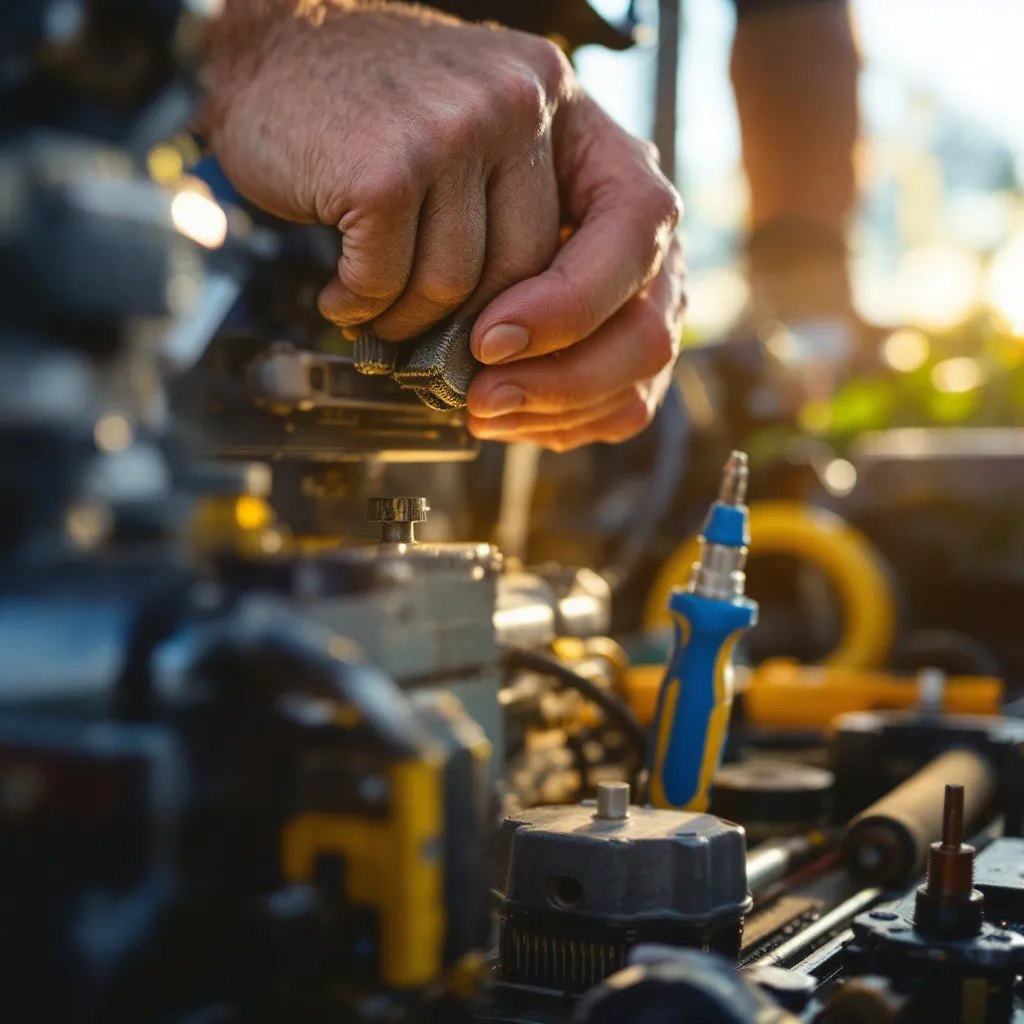
Your heating and cooling equipment works hard year-round to maintain comfort in your Boise home, but certain warning signs demand immediate attention from a qualified HVAC company. Ignoring these red flags can lead to complete system failure, costly emergency repairs, or even safety hazards. Strange sounds emanating from your furnace or air conditioner, unusual odors when the system cycles on, dramatic drops in airflow, sudden spikes in utility bills, and moisture accumulation around equipment all signal problems requiring professional intervention. Recognizing these symptoms early allows homeowners to address minor issues before they escalate into major system failures during Boise's temperature extremes.
Heating and cooling systems produce a gentle hum during normal operation, but certain sounds signal mechanical distress requiring immediate professional attention. A grinding noise typically indicates worn bearings in the blower motor, while screeching suggests a failing belt that could snap and halt operation entirely. Banging or clanking sounds often point to loose or broken components inside the unit, such as a disconnected connecting rod or crankshaft. These metal-on-metal sounds can cause cascading damage if left unaddressed. Rattling may seem minor but often indicates loose panels, mounting brackets, or debris in the ductwork that restricts proper airflow throughout your home.
Clicking sounds at startup are normal, but persistent clicking throughout the heating or cooling cycle suggests electrical relay problems or a failing capacitor. Hissing noises warrant immediate attention as they frequently indicate refrigerant leaks in your air conditioning system, which compromise cooling performance and pose environmental concerns. Bubbling or gurgling sounds point to condensate drain blockages that can lead to water damage and mold growth. Boise's temperature swings between seasons place considerable stress on HVAC components, making these mechanical issues more likely as equipment ages. A qualified technician can diagnose the exact source of unusual sounds and recommend appropriate repair or replacement solutions before minor problems escalate.
Homeowners should never ignore whistling sounds, which typically signal air escaping through gaps in ductwork or around poorly sealed registers. This compromised airflow forces your system to work harder, increasing energy consumption and wear on critical components. Squealing that begins quietly but grows progressively louder often indicates bearing failure in the blower motor or compressor, components whose replacement represents a significant repair investment. Professional HVAC repair technicians have the diagnostic tools to pinpoint sound sources accurately, distinguishing between issues requiring simple maintenance and those demanding immediate component replacement to prevent total system failure during Boise's coldest winter nights or hottest summer days.
Distinct odors emanating from vents when your heating or cooling equipment operates often signal serious problems requiring immediate professional evaluation. A burning smell when you first activate your furnace after months of inactivity typically results from accumulated dust burning off heat exchangers, but persistent burning odors indicate overheating components, electrical problems, or a cracked heat exchanger that could leak carbon monoxide into your living spaces. This represents a genuine safety emergency demanding immediate system shutdown and professional inspection. Musty or moldy odors point to biological growth within ductwork or on evaporator coils, a common issue in systems that cool Boise homes during humid summer months when condensation creates ideal conditions for mold proliferation.
A rotten egg smell requires immediate action, as natural gas suppliers add this distinctive sulfur odor to help detect dangerous leaks. Evacuate your home immediately, avoid operating electrical switches or creating sparks, and contact your gas utility and HVAC company from a safe location outside. Chemical or acetone-like smells often indicate refrigerant leaks from your air conditioner, which compromise cooling performance and can pose health risks depending on refrigerant type. Gunpowder or metallic odors suggest overheating electrical components, circuit board failures, or motor problems that present fire hazards if not addressed promptly. These electrical issues become more common as systems age and connections loosen from repeated thermal expansion and contraction cycles.
Sewage-like odors rarely originate from HVAC equipment itself but may indicate backup issues with condensate drain lines that share connections with household plumbing. Blocked drains allow stagnant water to accumulate, creating breeding grounds for bacteria that produce foul smells distributed throughout your home via the ventilation system. Professional technicians can clean drain lines, check trap integrity, and ensure proper drainage to eliminate these odors. Some homeowners notice a dusty or burning filter smell, which typically indicates an overdue filter replacement restricting airflow and forcing components to overheat. Regular maintenance prevents many odor-related issues, but any persistent or concerning smell warrants professional evaluation to rule out safety hazards and protect your heating and cooling investment.
Weak airflow from registers throughout your Boise home signals problems ranging from simple filter changes to serious mechanical failures requiring immediate professional intervention. When some rooms remain uncomfortably warm while others feel adequately cooled, or when you notice dramatically reduced air movement from vents despite the system running continuously, your heating and cooling equipment struggles to distribute conditioned air effectively. Start by checking your air filter, as a clogged filter represents the most common airflow restriction and requires replacement every one to three months depending on household conditions. However, if installing a fresh filter fails to restore normal airflow, deeper system problems likely exist that demand professional diagnosis and repair.
Blower motor failures, damaged fan blades, or failing capacitors can severely restrict air movement even when the system appears to operate normally. Ductwork problems including disconnected sections, crushed flexible ducts, or accumulated debris also compromise airflow, forcing your equipment to run longer cycles that increase energy consumption and accelerate component wear. Frozen evaporator coils, often resulting from refrigerant leaks or restricted airflow, prevent proper heat exchange and drastically reduce cooling performance. Ice formation on refrigerant lines or around the indoor unit indicates a problem requiring immediate professional attention, as continued operation can damage the compressor and necessitate expensive replacement rather than repair.
Professional HVAC technicians use specialized tools to measure static pressure, airflow volumes, and temperature differentials that reveal underlying problems invisible to homeowners. They can identify whether poor performance stems from duct design issues, undersized equipment, or mechanical failures. Boise's climate demands reliable heating during winter and consistent cooling through summer, making adequate airflow essential for comfort and system longevity. Addressing airflow problems promptly prevents secondary damage to expensive components like compressors and heat exchangers. A qualified HVAC company can clean coils, seal ductwork, balance airflow across zones, and repair or replace failing components to restore proper system operation and efficiency throughout your home.
Sudden increases in heating or cooling costs without corresponding changes in usage patterns or utility rates often indicate declining system efficiency requiring professional evaluation. Your equipment may run longer cycles to achieve desired temperatures, consuming more energy while delivering less comfort. This inefficiency typically results from refrigerant leaks that reduce cooling capacity, forcing your air conditioner to operate continuously during Boise's warm summer months. Dirty coils covered in dust and debris prevent efficient heat transfer, making both heating and cooling processes consume excessive energy. Aging components lose efficiency gradually, but dramatic bill increases over one or two billing cycles suggest acute problems rather than normal wear.
Thermostat malfunctions can cause systems to cycle inappropriately, running when unnecessary or failing to reach setpoints efficiently. Duct leaks allow conditioned air to escape into attics, crawl spaces, or wall cavities before reaching living areas, forcing your system to work harder to maintain comfort. Studies indicate that typical duct systems lose twenty to thirty percent of conditioned air through leaks and poor connections, representing substantial wasted energy. A professional energy audit combined with HVAC system evaluation can identify specific efficiency problems and prioritize repairs that deliver the greatest energy savings and comfort improvements.
Comparing current energy bills to previous years during similar weather conditions helps identify unusual consumption patterns warranting investigation. While some efficiency loss occurs naturally as equipment ages, sudden changes indicate problems requiring immediate attention. Professional maintenance including coil cleaning, refrigerant charge verification, airflow measurement, and electrical connection inspection can often restore efficiency and reduce operating costs substantially. When repair costs approach fifty percent of replacement value for aging equipment, investing in new high-efficiency installation may prove more economical long-term, particularly given utility incentives often available for upgrading to modern energy-efficient systems that reduce both environmental impact and monthly operating expenses.
Water pooling around your indoor air conditioning unit or furnace signals drainage problems, refrigerant leaks, or heat exchanger failures requiring immediate professional attention. Air conditioners naturally produce condensation as they remove humidity from indoor air during cooling cycles, but this moisture should drain away through dedicated condensate lines into floor drains or exterior discharge points. When drain lines become clogged with algae, mold, or debris, water backs up and overflows the drain pan, potentially damaging flooring, walls, and creating conditions for mold growth. This problem intensifies during peak cooling season when condensation production reaches maximum levels and any drainage restriction causes rapid overflow.
Refrigerant leaks sometimes manifest as ice formation on refrigerant lines or evaporator coils, which then melts and creates water accumulation when the system cycles off. Unlike normal condensation, refrigerant-related moisture often appears alongside declining cooling performance and frozen components. These leaks require professional repair to recover remaining refrigerant, locate and seal leak points, recharge the system to manufacturer specifications, and verify proper operation. Attempting to operate an air conditioner with insufficient refrigerant causes compressor damage that transforms a moderate repair into an expensive replacement project. Heat pumps used for both heating and cooling in Boise homes can develop moisture issues during either operational mode, making professional diagnosis essential.
Furnace moisture problems often indicate cracked heat exchangers or condensate drainage issues in high-efficiency models that produce water as a combustion byproduct. Cracked heat exchangers represent serious safety hazards, potentially allowing carbon monoxide to enter living spaces, and typically necessitate furnace replacement rather than repair given the component's critical role and replacement cost. High-efficiency furnaces include condensate drains similar to air conditioners, and these lines require the same maintenance to prevent clogs and overflow. Any moisture around heating equipment warrants immediate professional evaluation to rule out safety hazards and prevent water damage. Regular maintenance including drain line cleaning, pan inspection, and seal verification prevents most moisture-related problems before they cause damage or compromise indoor air quality through mold proliferation.
Scheduled professional maintenance represents the most effective strategy for preventing unexpected HVAC failures and extending equipment lifespan. During comprehensive maintenance visits, technicians clean coils, check refrigerant levels, test electrical connections, lubricate moving parts, measure airflow, inspect heat exchangers, and identify developing problems before they cause system failures. This proactive approach catches minor issues like worn belts, aging capacitors, or loose connections when repairs remain simple and inexpensive. Boise's temperature extremes place considerable demands on heating and cooling equipment, making preventive maintenance particularly valuable for ensuring reliable operation during peak usage periods when system failures cause the greatest discomfort and emergency repair costs.
Most manufacturers require documented annual maintenance to maintain warranty coverage, making professional service a financial necessity beyond its operational benefits. Maintenance visits typically occur twice yearly, with heating system inspection before winter and air conditioning evaluation before summer cooling season. These seasonal check-ups ensure equipment operates at peak efficiency, reducing energy consumption and monthly utility costs while maximizing comfort. Technicians can recommend filter replacement schedules appropriate for your household conditions, suggest thermostat upgrades that improve efficiency, and identify duct sealing opportunities that enhance system performance. Regular maintenance also provides opportunities to discuss system age, efficiency ratings, and replacement timing before emergency failures force rushed decisions.
Homeowners can perform simple maintenance tasks between professional visits, including monthly filter checks and replacement when dirty, keeping outdoor units clear of vegetation and debris, ensuring adequate clearance around indoor equipment for proper airflow, and monitoring system performance for changes in sound, airflow, or comfort delivery. However, tasks requiring refrigerant handling, electrical work, or combustion system service demand professional expertise and specialized tools. Establishing a relationship with a trusted local HVAC company ensures priority service scheduling, familiarity with your specific equipment, and often provides maintenance plan members with discounts on repairs and priority emergency response. This ongoing partnership protects your heating and cooling investment while ensuring your Boise home remains comfortable year-round regardless of weather conditions outside.
Diamond Heating, Cooling, Plumbing & Electric provides 24/7 HVAC, plumbing, and electrical services in Boise, ID. For professional help anywhere in Boise, visit hvac repair.
☎Call (208) 279-9193 Diamond Heating, Cooling, Plumbing & Electric