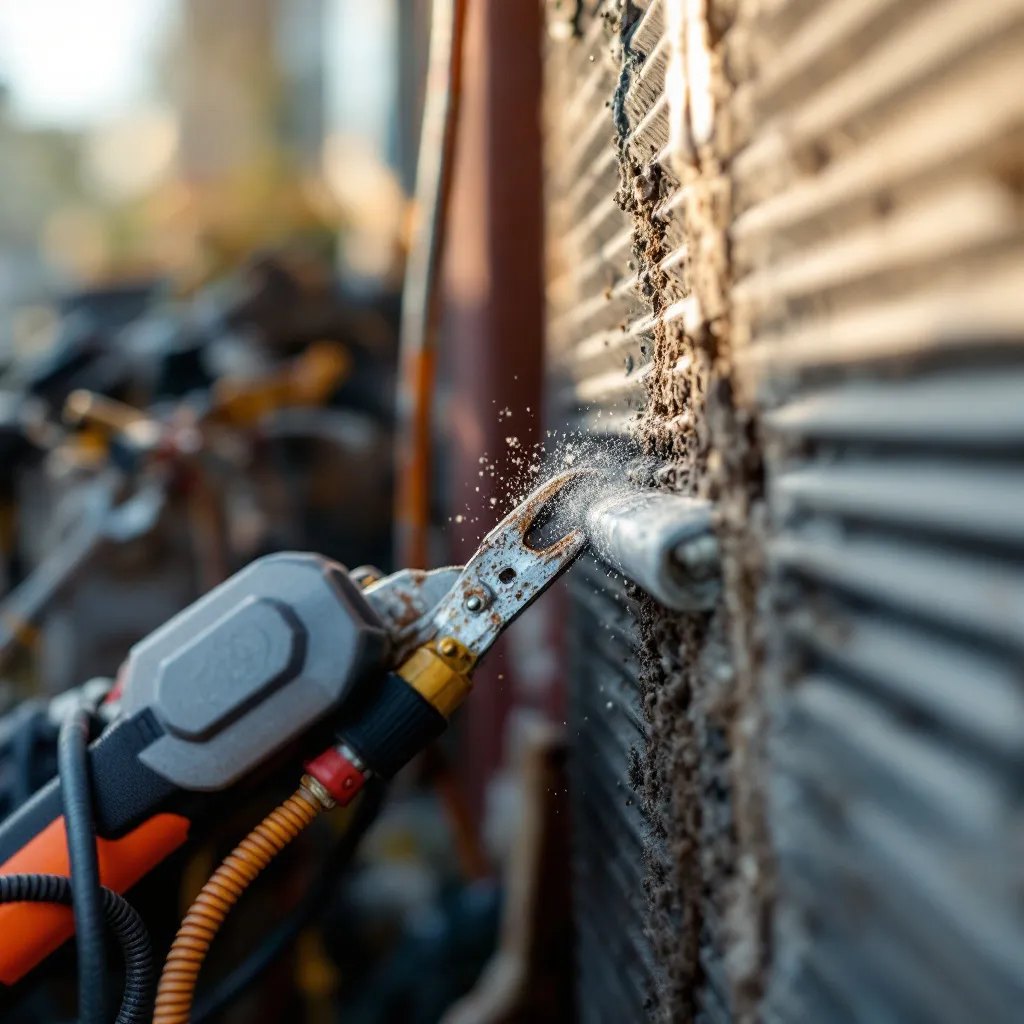
Choosing a reliable HVAC repair company in Boise requires careful evaluation of several key factors that directly impact your comfort and investment. The right contractor brings proper licensing, transparent pricing, and a track record of quality work to every service call. Start by confirming the company holds current Idaho contractor licenses and carries comprehensive insurance coverage. Beyond credentials, look for technicians with manufacturer certifications who stay current on the latest heating, ventilation, and air conditioning technologies. A trustworthy HVAC company will gladly provide references, explain repair options clearly, and stand behind their work with solid warranties. Taking time to research and compare contractors ensures your furnace, air conditioner, and related systems receive professional care that extends their lifespan and maintains optimal performance.
Every legitimate HVAC repair technician working in Boise must hold an active Idaho HVAC contractor license issued by the state Division of Building Safety. This licensing requirement ensures technicians have demonstrated competency in handling refrigerants, understanding electrical systems, and following safety protocols. Idaho law mandates that anyone performing HVAC work valued over five hundred dollars must be licensed, so always verify this credential before allowing work to begin. Companies should also carry general liability insurance and workers compensation coverage to protect homeowners from potential damages or injuries that might occur during repair visits.
Beyond state licensing, look for technicians with EPA Section 608 certification, which is federally required for anyone who works with refrigerants in air conditioning and heat pump systems. This certification demonstrates proper training in handling refrigerants safely and preventing environmental contamination. Manufacturer-specific certifications from brands like Carrier, Trane, or Lennox indicate advanced training on particular equipment lines. These specialized credentials mean technicians understand the nuances of specific systems and can diagnose problems more efficiently. North American Technician Excellence certification represents another valuable credential that confirms ongoing education and competency across heating and cooling disciplines.
Professional memberships in organizations like the Air Conditioning Contractors of America signal a commitment to industry standards and continuing education. Boise's climate demands technicians who understand both heating and cooling systems thoroughly, as extreme temperature swings from cold winters to hot summers stress HVAC equipment year-round. Ask potential contractors about their training programs and whether they invest in ongoing education for their staff. Companies that prioritize technician development typically deliver higher quality repairs and stay current with evolving technologies like variable-speed systems and smart thermostats that increasingly appear in modern homes.
Start your research by checking the Better Business Bureau rating for any HVAC company you consider. The BBB provides insight into complaint history, resolution patterns, and overall business practices. Look beyond the letter grade to read actual customer complaints and how the company responded. A pattern of unresolved disputes or repeated issues with billing, incomplete work, or failed equipment should raise immediate concerns. Online review platforms like Google, Yelp, and Facebook offer additional perspectives from recent customers. Pay attention to reviews mentioning specific technicians, response times, and how companies handled unexpected complications during repairs.
Request references directly from the HVAC repair service, specifically asking for contacts from customers who had similar work completed within the past year. A reputable company will readily provide several references without hesitation. When speaking with references, ask detailed questions about punctuality, cleanliness, communication quality, and whether the repair solved the problem permanently. Inquire whether the company provided clear explanations of the issue and offered multiple repair options with honest recommendations rather than pushing unnecessary replacements. References can also reveal how well the company honored warranties and handled any follow-up concerns.
Check with local Boise neighborhoods and community groups on social media platforms where residents frequently share contractor recommendations. These grassroots endorsements often provide candid insights that formal reviews might miss. The Idaho Contractors Board website allows you to verify license status and check for any disciplinary actions or complaints filed against a contractor. Length of time in business matters too, as companies that have served the Boise area for many years have proven their ability to deliver consistent service and maintain customer relationships. However, newer companies with experienced technicians can also provide excellent service, so balance longevity with other reputation factors.
Before committing to any HVAC repair company, ask for a detailed written estimate that breaks down labor costs, parts pricing, and any diagnostic fees. Reputable contractors will explain what they found during their inspection, why specific repairs are necessary, and what might happen if you delay the work. Request information about the warranty covering both parts and labor, as quality companies typically guarantee their work for at least one year. Ask whether they stock common replacement parts or need to order components, which affects repair timelines. Understanding the full scope of costs upfront prevents surprise charges and helps you compare quotes accurately across different providers.
Inquire about the company's availability for emergency repairs, especially during Boise's temperature extremes when a failed furnace in January or a broken air conditioner in July creates urgent situations. Ask about their typical response time for routine service calls versus emergencies. Find out whether they charge premium rates for after-hours, weekend, or holiday service. Understanding their scheduling practices helps set realistic expectations. Question their approach to maintenance agreements, which often include priority scheduling, discounted repairs, and regular tune-ups that prevent breakdowns. These programs can provide value for homeowners who want to extend equipment life and maintain peak efficiency.
Ask technicians to explain their diagnostic process and how they determine whether to repair or replace components. A trustworthy professional will walk you through their findings, show you the problematic parts when possible, and discuss both short-term fixes and long-term solutions. Question their experience with your specific brand and model of equipment. Request details about their installation practices if replacement becomes necessary, including whether they perform load calculations to properly size new units, how they handle ductwork modifications, and their approach to ensuring adequate airflow throughout your home. Professional contractors will also discuss filter replacement schedules, thermostat options, and maintenance tips that help you maximize your system's performance between service visits.
Experience directly impacts a technician's ability to diagnose problems accurately and efficiently. Seasoned professionals have encountered countless HVAC issues and can quickly identify subtle symptoms that point to specific failures. This expertise becomes particularly valuable with older systems or unusual problems that don't present obvious solutions. Experienced technicians understand how different components interact within heating and cooling systems, allowing them to trace problems to their root cause rather than simply replacing parts until something works. They also recognize when a repair makes economic sense versus when replacement offers better long-term value, providing honest guidance that saves homeowners money.
Years of hands-on work teach technicians the quirks of different equipment brands and models, knowledge that proves invaluable during complex repairs. An experienced HVAC professional working in Boise understands how the region's hard water affects humidifiers, how temperature swings stress heat exchangers, and how dust from surrounding high desert areas impacts filter life and system cleanliness. They've learned which parts commonly fail on popular residential units and often carry these components on their service vehicles, enabling same-day repairs. This familiarity reduces diagnostic time, minimizes return visits, and gets your comfort system running faster than a less experienced technician might manage.
Beyond technical skills, experienced companies have refined their customer service practices, scheduling systems, and quality control processes. They've learned how to communicate technical information clearly to homeowners without overwhelming jargon. Established businesses have also developed relationships with parts suppliers, ensuring access to components even for discontinued models. Their longevity demonstrates financial stability and a commitment to standing behind their work. While newer technicians can certainly provide competent service, especially when backed by strong training programs, experience remains a significant factor in repair quality, efficiency, and customer satisfaction.
Regular maintenance represents the single most effective strategy for preventing unexpected HVAC breakdowns and extending equipment life. Maintenance agreements typically include biannual service visits where technicians inspect, clean, and tune both heating and cooling systems before peak usage seasons. During these visits, professionals check refrigerant levels, test electrical connections, examine heat exchangers for cracks, clean condenser coils, and verify proper airflow throughout the system. They catch small issues before they escalate into expensive emergency repairs. A clogged condensate drain discovered during routine maintenance costs nothing to clear, but that same blockage left unaddressed can cause water damage requiring thousands of dollars in repairs.
Maintenance visits also optimize system efficiency, which directly reduces energy costs. Dirty coils force air conditioners to work harder, increasing electricity consumption. A furnace with a restricted air filter struggles to heat effectively, running longer cycles that waste fuel. Technicians performing maintenance clean these components, replace filters, and calibrate thermostats to ensure systems operate at peak efficiency. Many homeowners find that the energy savings from properly maintained equipment offset much of the maintenance agreement cost. Additionally, most manufacturers require proof of regular professional maintenance to honor warranty claims, making these agreements essential for protecting your investment in new equipment.
Beyond the technical benefits, maintenance agreements often include perks like priority scheduling, discounted repair rates, and waived diagnostic fees. When your air conditioner fails during a Boise heat wave, agreement holders typically move to the front of the service queue, reducing uncomfortable downtime. The relationship you build with a maintenance provider means familiar technicians who know your equipment's history service your home, providing continuity that improves service quality. These agreements also create accountability, as companies invested in long-term customer relationships prioritize quality work over quick fixes. For homeowners who want reliable comfort and lower lifetime ownership costs, maintenance agreements deliver measurable value.
Run from any contractor who refuses to provide proof of licensing and insurance or seems evasive when you request these credentials. Unlicensed technicians lack proper training, may violate building codes, and leave you liable for accidents or damages. Similarly, avoid companies that pressure you into immediate decisions or create artificial urgency around repairs. Legitimate HVAC professionals understand that major repairs and replacements represent significant investments requiring thoughtful consideration. They provide detailed information and give you time to review options, obtain second opinions if desired, and make informed choices without manipulation.
Be wary of estimates that seem unusually low compared to other quotes, as these often indicate cut corners, substandard parts, or hidden fees that emerge later. Some disreputable contractors lowball initial estimates to win jobs, then claim they discovered additional problems requiring expensive upgrades once work begins. Quality HVAC repair requires skilled labor, proper tools, and reliable parts, all of which cost money. While you shouldn't overpay, rock-bottom pricing rarely delivers lasting value. Similarly, contractors who recommend complete system replacement without thoroughly diagnosing the problem or explaining why repair isn't viable may prioritize their commission over your best interests.
Watch for poor communication practices like unreturned calls, missed appointments without notice, or technicians who can't clearly explain what's wrong with your system. Professional HVAC companies respect your time and keep you informed throughout the service process. Avoid contractors who refuse to provide written estimates, work without permits when required, or discourage you from asking questions. Red flags also include demands for full payment upfront, lack of proper uniforms or branded vehicles, and reluctance to provide references. Trust your instincts when something feels off, and don't hesitate to seek alternative contractors when you encounter these warning signs. Your home's comfort and safety depend on choosing professionals who demonstrate integrity, competence, and respect for customers.
Diamond Heating, Cooling, Plumbing & Electric provides 24/7 HVAC, plumbing, and electrical services in Boise, ID. For professional help anywhere in Boise, visit hvac repair in Boise.
☎Call (208) 279-9193 Diamond Heating, Cooling, Plumbing & Electric