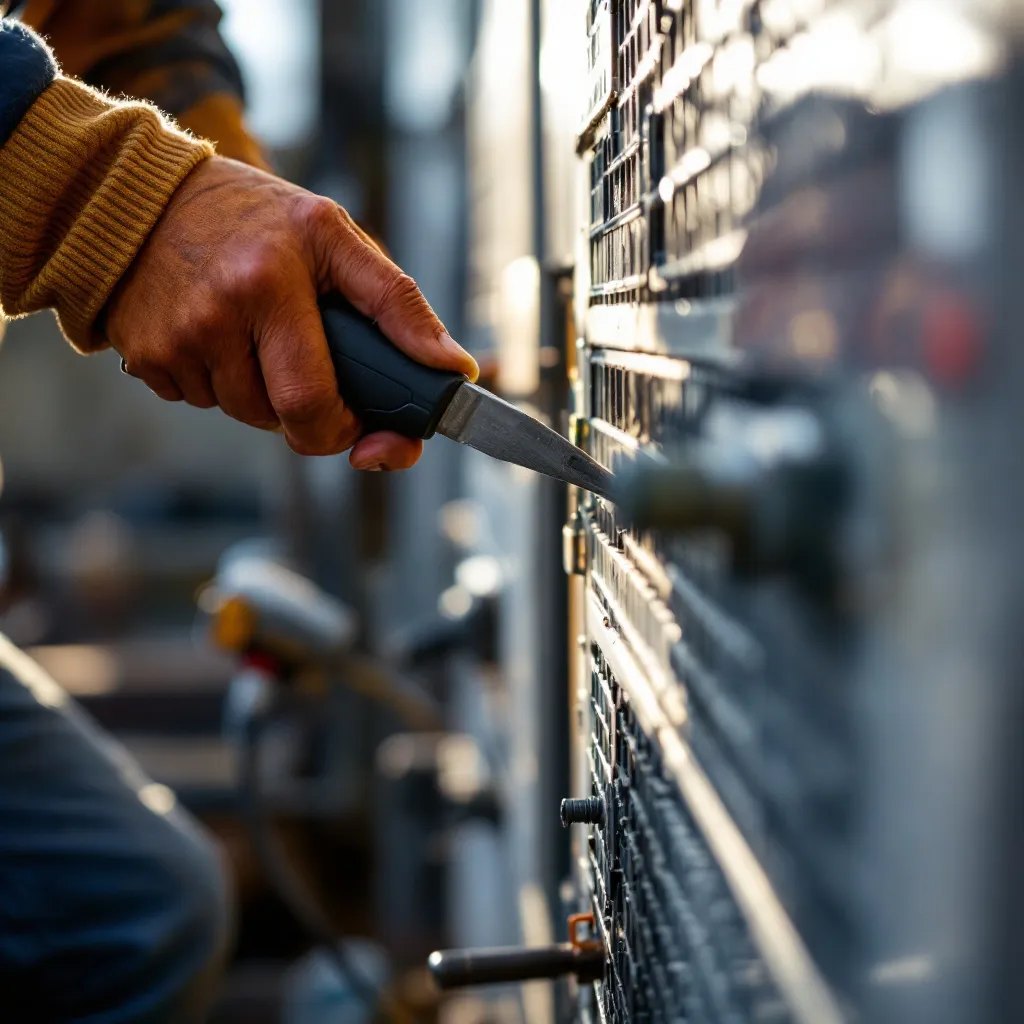
Most HVAC repair appointments in Boise take between one and four hours to complete, though the actual timeline depends heavily on the specific problem and parts availability. Simple fixes like thermostat adjustments, filter replacements, or capacitor swaps typically wrap up within an hour or two. More complex issues requiring diagnostic work, refrigerant leak repairs, or component replacements can extend to a half day or longer. Emergency repairs often receive same-day or next-day service from local providers, while scheduled maintenance calls may book out several days in advance during peak heating and cooling seasons. Understanding what influences repair duration helps homeowners plan accordingly and set realistic expectations.
Straightforward repairs represent the majority of service calls and generally conclude within two to three hours from arrival to completion. Replacing a failed capacitor, which prevents the compressor or blower motor from starting, usually takes thirty to sixty minutes once diagnosed. Thermostat issues often resolve even faster, particularly when the problem stems from dead batteries, incorrect settings, or loose wiring rather than a faulty unit requiring replacement. Cleaning a clogged condensate drain line typically takes about an hour, including flushing the system and checking for proper drainage.
Air filter replacements and basic cleaning tasks fall on the quicker end of the spectrum, often completed in under an hour. However, when an HVAC company discovers secondary issues during routine maintenance or a simple service call, the timeline naturally extends. A technician might find corroded electrical connections while replacing a capacitor, or notice refrigerant levels running low during what seemed like a straightforward repair. These discoveries require additional diagnostic work and may necessitate ordering parts not carried on standard service trucks.
Blower motor replacements generally require three to five hours, factoring in the time needed to access the component, remove the old motor, install the new unit, and test system performance. Refrigerant leak detection and repair can span anywhere from two hours for an obvious, accessible leak to a full day when the breach hides within ductwork or requires extensive troubleshooting. The refrigerant recharge itself adds another hour or two after sealing the leak. Compressor replacements rank among the lengthier repairs, often taking six to eight hours due to the component's central role and the need to evacuate and recharge the entire refrigerant system properly.
Your home will remain without climate control only during the active repair window, which varies based on the severity of the malfunction and whether the technician can implement temporary solutions. For minor repairs completed within a couple of hours, most Boise homeowners experience minimal discomfort, particularly during mild weather. The technician typically shuts down the system immediately upon arrival to safely diagnose and fix the problem, then restores operation once repairs conclude and testing confirms everything functions correctly. During extreme temperature periods, professional technicians often work efficiently to minimize downtime, understanding the urgency of restoring comfort.
Some situations allow for partial system operation during repairs. If your air conditioner fails but the furnace blower still functions, a technician might run the fan to circulate air throughout your home, providing some relief even without active cooling. Conversely, during winter heating emergencies, space heaters can supplement warmth in essential rooms while repairs proceed, though this represents a temporary measure rather than a complete solution. The key factor determining your comfort level involves whether the repair requires a complete system shutdown or permits continued operation of certain components.
When repairs extend beyond a single day due to parts availability or complex diagnostics, the downtime stretches accordingly. Ordering a specialized component might add two to five business days before the technician can return to complete the installation. During Boise's temperature extremes, particularly the cold winter months or peak summer heat, this extended timeline can create genuine discomfort. Many homeowners choose to stay with family or friends during multi-day heating outages in January or cooling failures in July. Some HVAC repair companies offer loaner equipment or expedited parts ordering for emergency situations, though availability varies by provider and circumstance.
Parts availability represents the most common cause of extended repair timelines, particularly for older systems or less common equipment brands. While technicians carry frequently needed components like capacitors, contactors, and standard filters on their service vehicles, specialized parts often require ordering from regional distributors or manufacturers. A proprietary circuit board for a ten-year-old furnace might ship from out of state, adding several days to the repair timeline. Supply chain disruptions occasionally affect even common components, though local HVAC companies typically maintain relationships with multiple suppliers to minimize these delays.
Seasonal demand significantly impacts scheduling and completion times throughout the Boise area. Summer months bring a surge of air conditioning repairs as temperatures climb into the nineties, while winter cold snaps trigger a rush of heating emergencies. During these peak periods, HVAC companies often book out days in advance for non-emergency calls, and even urgent repairs may face slight delays as technicians work through a backlog of service requests. The shoulder seasons of spring and fall typically offer faster response times and more flexible scheduling options for both routine maintenance and unexpected repairs.
Diagnostic complexity can extend what initially appears to be a simple repair into a lengthy troubleshooting process. Intermittent problems that come and go prove particularly challenging, sometimes requiring multiple visits to catch the system in failure mode and identify the root cause. Electrical issues may necessitate tracing wiring throughout the system, while mysterious airflow problems might involve inspecting ductwork in crawl spaces or attics. Older homes in established Boise neighborhoods sometimes present unique challenges with outdated wiring, modified duct systems, or previous repair attempts that complicate current diagnostic work. A thorough professional approach prioritizes accurate diagnosis over rushed guesswork, even when this extends the initial timeline.
Central air conditioning and forced-air heating systems, the most common configuration in Boise homes, generally follow the standard repair timelines outlined above. These systems benefit from widespread technician familiarity and readily available replacement parts, streamlining most service calls. Heat pumps, which provide both heating and cooling, sometimes require additional diagnostic time because problems can manifest differently depending on the operating mode. A heat pump struggling in heating mode might perform adequately when cooling, requiring the technician to test both functions and trace issues through reversing valves and additional components not found in traditional systems.
Ductless mini-split systems present their own timeline considerations. These units often prove easier to access than traditional systems, potentially reducing repair time for component replacements. However, refrigerant line issues or problems with the outdoor condenser can complicate repairs, particularly when multiple indoor units connect to a single outdoor compressor. The specialized nature of mini-split technology means not all HVAC technicians possess equal experience with these systems, and finding a qualified professional familiar with your specific brand may add time to scheduling the initial appointment.
Older furnace models, particularly those exceeding fifteen years of service, frequently require longer repair times due to parts obsolescence and the increased likelihood of multiple failing components. A technician might replace one part only to discover that the repair reveals stress on related components, necessitating additional work to ensure reliable operation. Boiler systems, less common in Boise but present in some older homes, require specialized knowledge and often involve longer diagnostic periods due to their complexity. The integration of modern smart thermostats and zoned heating systems adds another layer of potential complications, as problems may stem from the control system rather than the heating or cooling equipment itself.
Regular maintenance dramatically reduces both the frequency and duration of HVAC repairs by catching small problems before they escalate into major failures. Annual inspections allow technicians to identify worn components, clean essential parts, and check refrigerant levels during scheduled appointments rather than emergency calls. A maintenance visit typically takes sixty to ninety minutes and often prevents the multi-hour emergency repairs that result from neglected systems. Homeowners who replace filters every one to three months, depending on household conditions, reduce strain on blower motors and maintain proper airflow, extending component life and system efficiency.
Providing detailed information when scheduling a repair helps technicians arrive prepared with the right tools and common replacement parts for your specific issue. Describing symptoms accurately, noting any unusual sounds or smells, and sharing your system's age and brand allows the HVAC company to anticipate likely problems and stock the service vehicle accordingly. Clearing access to your indoor and outdoor units before the technician arrives saves valuable time. Remove stored items from around the furnace, trim vegetation away from the outdoor condenser, and ensure attic or crawl space access remains unobstructed. These simple steps can shave thirty minutes or more off the total repair time.
Establishing a relationship with a reliable local HVAC company before emergencies arise provides significant advantages when repairs become necessary. Existing customers often receive priority scheduling during peak demand periods, and the company maintains records of your system's service history, eliminating redundant diagnostic work. Some providers offer maintenance agreements that include benefits like expedited service, discounted repairs, and waived trip charges. When a trusted technician already knows your system's quirks and previous repairs, they can troubleshoot more efficiently and make informed recommendations about whether to repair or replace aging equipment. This familiarity translates directly into shorter repair times and more accurate initial diagnoses.
True HVAC emergencies, defined as complete heating failure during freezing temperatures or total cooling loss during dangerous heat waves, typically receive same-day or next-day priority from reputable Boise service providers. When outdoor temperatures drop below freezing and your furnace stops producing heat entirely, most companies dispatch technicians as quickly as possible, understanding the health and safety implications. Similarly, when summer temperatures exceed ninety-five degrees and air conditioning fails completely, particularly in homes with elderly residents or young children, emergency response becomes the standard. These urgent calls often occur outside regular business hours, with many HVAC companies offering twenty-four-hour emergency service year-round.
Non-emergency repairs and routine maintenance generally schedule several days to a week in advance, with the exact timeline depending on seasonal demand and the company's current workload. A system producing inadequate heat or cool air but still functioning represents a lower priority than complete failures, allowing for scheduled appointments during normal business hours. This planned approach actually benefits homeowners by ensuring the technician arrives unhurried with adequate time blocked for thorough diagnosis and repair. Scheduled appointments also cost less than emergency service calls, which typically include premium rates for after-hours, weekend, or holiday response.
The definition of emergency service varies somewhat between providers, so clarifying response time expectations when you call prevents misunderstandings. Some companies guarantee four-hour response for true emergencies, while others promise same-day service without specifying exact arrival times. During extreme weather events affecting many homes simultaneously, even emergency calls may face slight delays as technicians work through a queue of urgent repairs. Asking about current wait times, explaining your specific situation honestly, and understanding the company's prioritization system helps set realistic expectations. A professional HVAC company will communicate clearly about when they can arrive and provide updates if circumstances change, ensuring you can plan accordingly whether you face an immediate emergency or can wait for a scheduled appointment.
Diamond Heating, Cooling, Plumbing & Electric provides 24/7 HVAC, plumbing, and electrical services in Boise, ID. For professional help anywhere in Boise, visit hvac repair in Boise.
☎Call (208) 279-9193 Diamond Heating, Cooling, Plumbing & Electric